Acoem LiDAR monitoring to support the conservation of Murujuga National Park’s priceless rock art

Home of ancient engravings

Murujuga National Park, on the Burrup Peninsula of Western Australia, is the first Australian national park to be co-managed by Traditional Custodians – represented by the Murujuga Aboriginal Corporation (MAC) – and the WA Department of Biodiversity, Conservation and Attractions. Home to up to two million ancient rock art engravings, the petroglyphs of Murujuga have been nominated for UNESCO World Heritage Listing.

The five MAC traditional custodial groups – the Ngarluma, Mardudhunera, Yaburara, Yindjibarndi, and Wong-Goo-Tt-Oo communities – have a deep spiritual connection with the area, so preservation of the irreplaceable artworks is the highest priority.


Safeguarding Murujuga’s Ancient Rock Art

As part of a partnership between MAC and WA’s Department of Water and Environmental Regulation (DWER), DWER commissioned Acoem Australasia to undertake a 6-month dust monitoring program to assess the impact of PM10  emissions from neighbouring gas refinery and fertiliser industrial sites on the engravings.

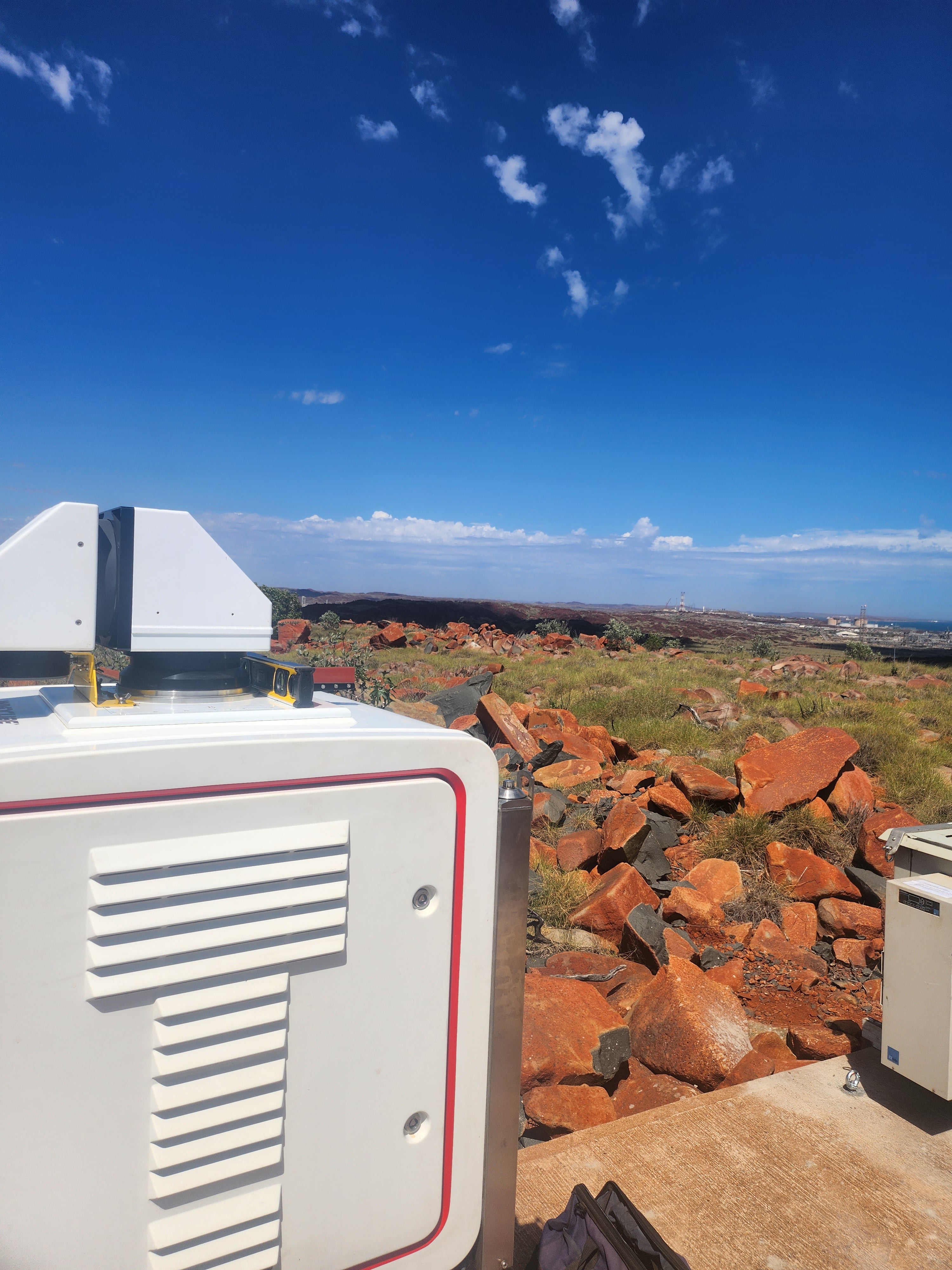
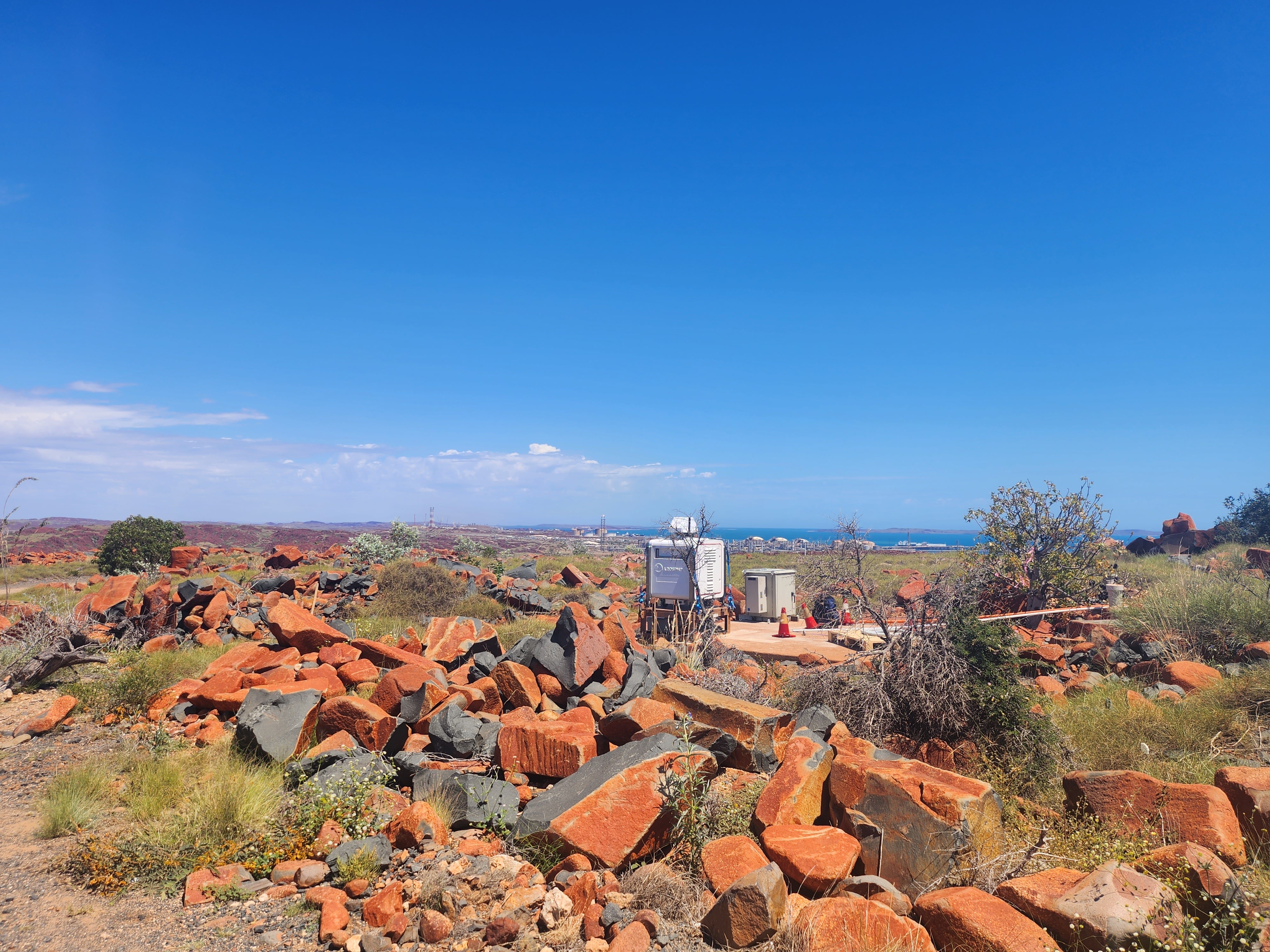
Three Acoem Integro LiDar monitoring systems (and a dust sampler for correlation of data) were installed, and real-time measurements were recorded. Acoem’s Environmental Reporting Services team is currently compiling its final report with the full dataset and spatial videos being sent to Curtin University for further analysis before being presented to DWER. The data will provide accurate feedback to enable future dust mitigation strategies or suppression systems to ensure ongoing protection of this priceless heritage site and compliance with environmental regulations.

Delivering real-time data points

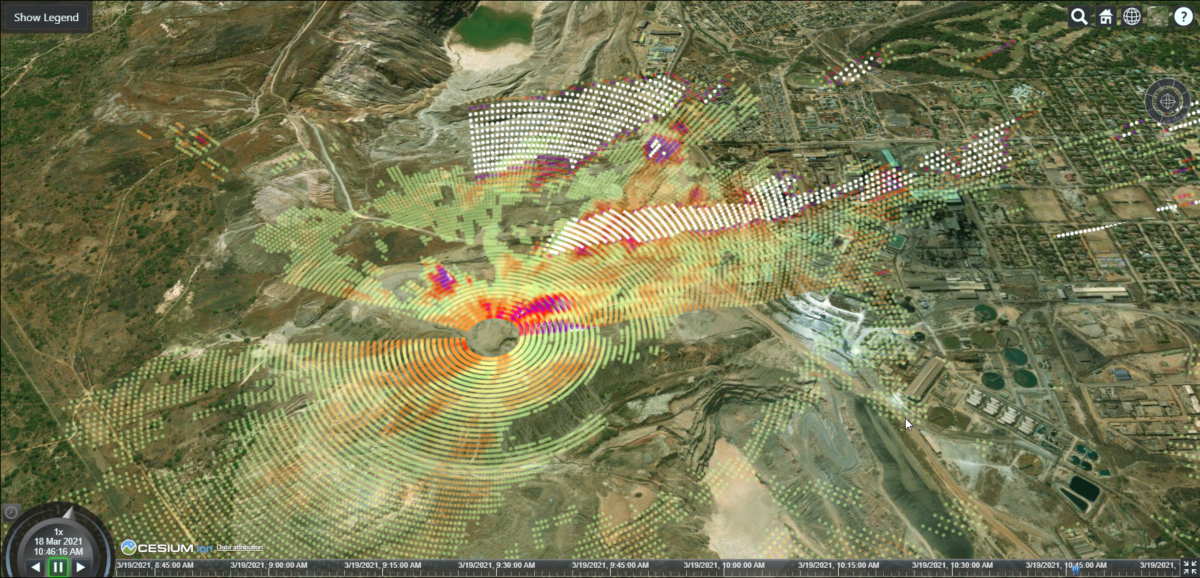
The advanced LIDAR technology — developed by Leosphere and integrated into the Integro™ LIDAR Network by Acoem — captures 10,000-50,000 individual data points of dust dispersion per scan every 5-10 minutes — together with data from fixed monitoring stations, these data points offer information on dust mass concentration (µg/m3). That is the equivalent of running up to 50,000 individual dust monitoring stations using one integrated system. LIDAR measures dust emission sources, movement, and trajectories over an entire scanned area ranging from a few hundred metres up to 12 km (24 km scan diameter).

For more information about Acoem Integro LiDar monitoring systems, please contact us or visit www.acoem.com/australasia.

Would you like to…?