














Water Monitoring That Gives You Data You Can Defend
Across Australia’s mining, industrial and government sectors, water monitoring has never been more scrutinised. Regulatory licences are tighter. Environmental expectations are higher and the consequences of unreliable data (during audits, in reports, at community consultations) are very real.
Acoem provides water monitoring solutions designed for those conditions.
Real-time monitoring stations, NATA-accredited sampling programs and integrated data management; all built around Australia’s complex environmental landscape.
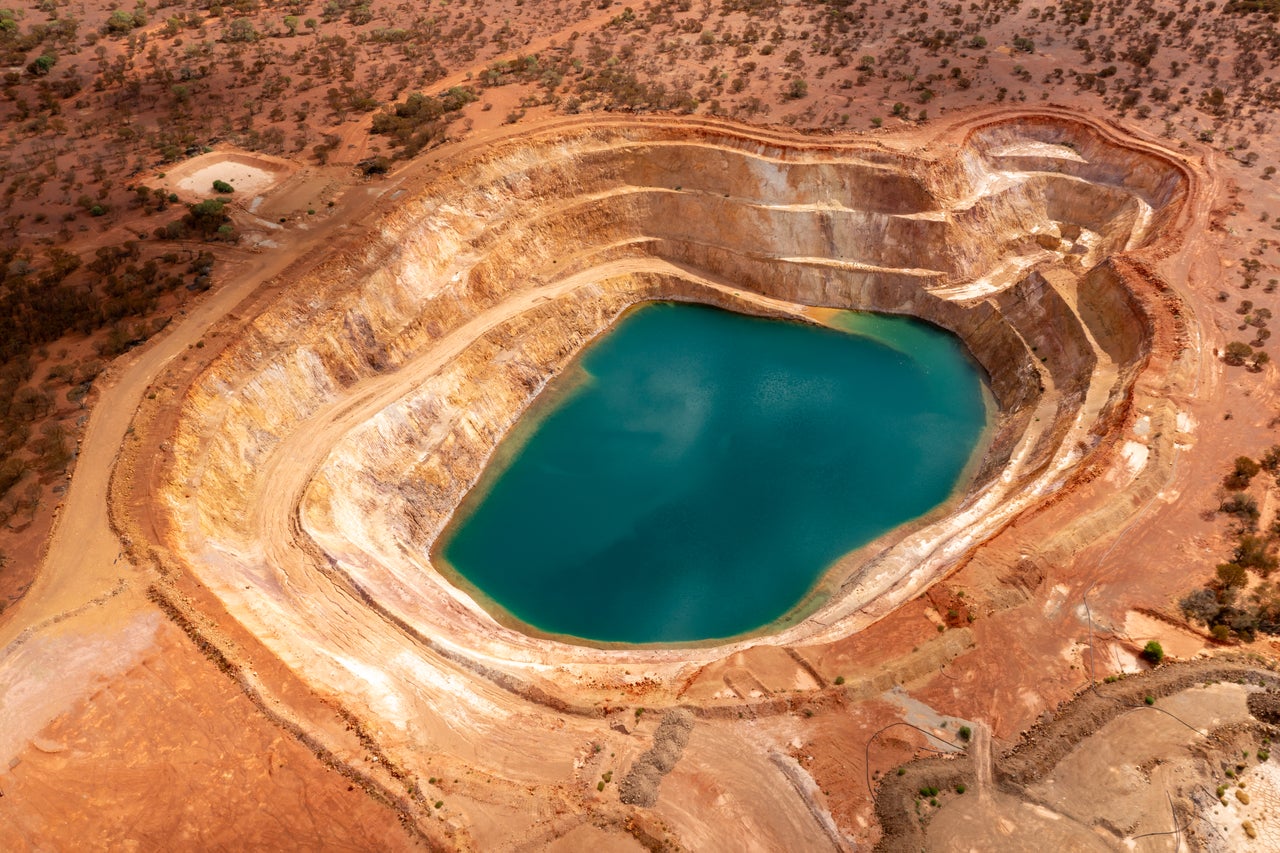
Why Water Monitoring Matters for Australian Industry
Water monitoring isn’t just a box to tick. Done well, it’s one of the clearest ways an organisation can demonstrate environmental responsibility and protect itself if things go wrong.
In Australia, mining, infrastructure and industrial operations are required to monitor the water systems they interact with. That includes groundwater aquifers that might be affected by extraction or contamination, surface water downstream of operations and potable water on remote sites.
Get the monitoring right, and you have defensible data for your regulator, your community and your board. Get it wrong, and the gaps in your records become the story.
Effective water monitoring helps organisations:
- Meet environmental licence conditions and avoid compliance breaches
- Detect groundwater and surface water contamination early
- Protect aquifers from long-term industrial impact
- Support environmental reporting with traceable, auditable data
- Manage water resources responsibly across remote and complex sites
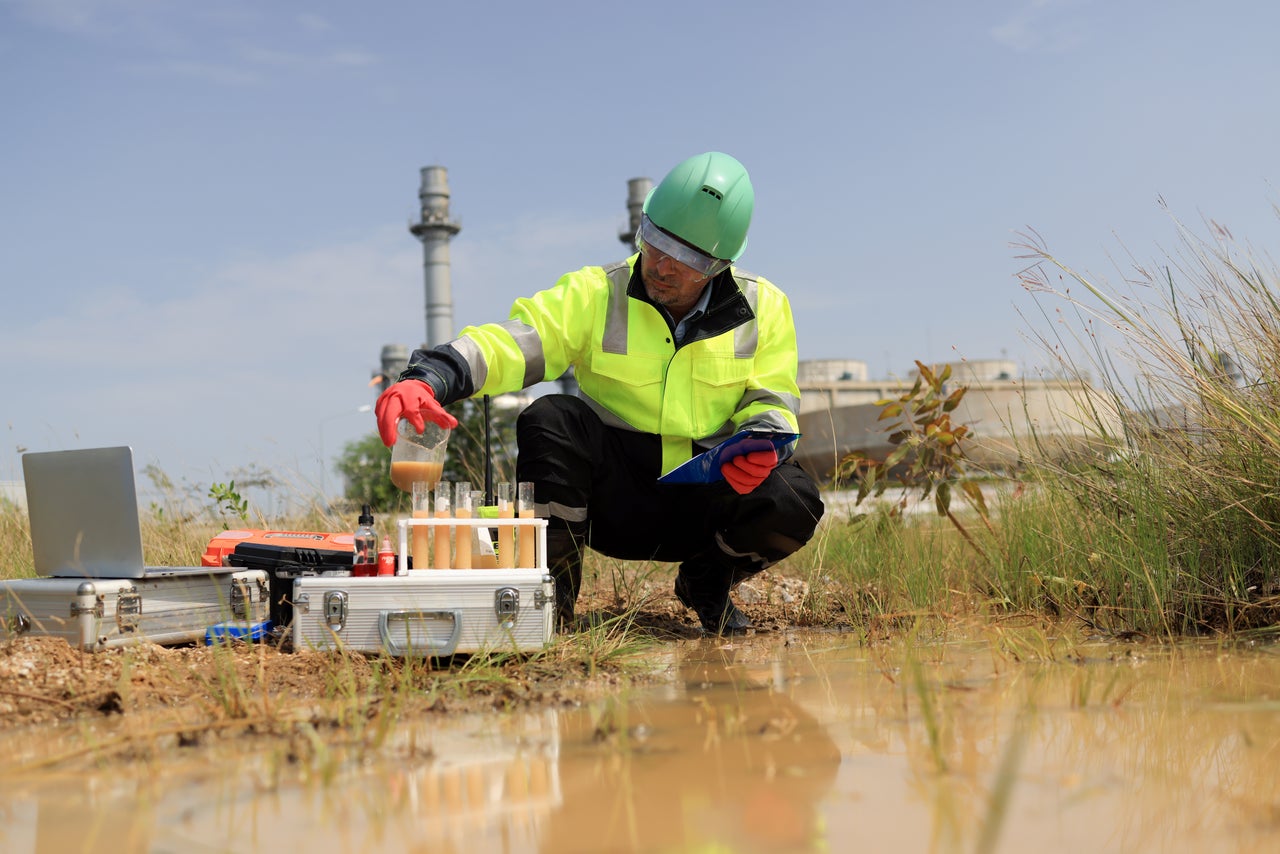
Water Monitoring Solutions from Acoem
Acoem covers the full scope of water monitoring, from automated real-time systems to structured field sampling programs, across every water environment your operations interact with.
Groundwater Monitoring
Groundwater monitoring is often where the most critical data lives and where the risks are least visible. Acoem supports bore network programs across large industrial sites, including downhole logging and aquifer profiling, low-flow and high-flow sampling, and long-term programs designed to track even gradual aquifer changes.
Our largest programs cover more than 1,500 monitoring bores across approximately 130 km². A scale that demands dedicated equipment, specialist field teams and a robust data management system.
Surface Water Monitoring
Rivers, streams, discharge channels and stormwater systems all reflect how your site interacts with the surrounding environment. Acoem monitors these systems for the parameters that matter under your licence conditions (pH, turbidity, conductivity, dissolved oxygen, nutrients) and provides the reporting to back it up.
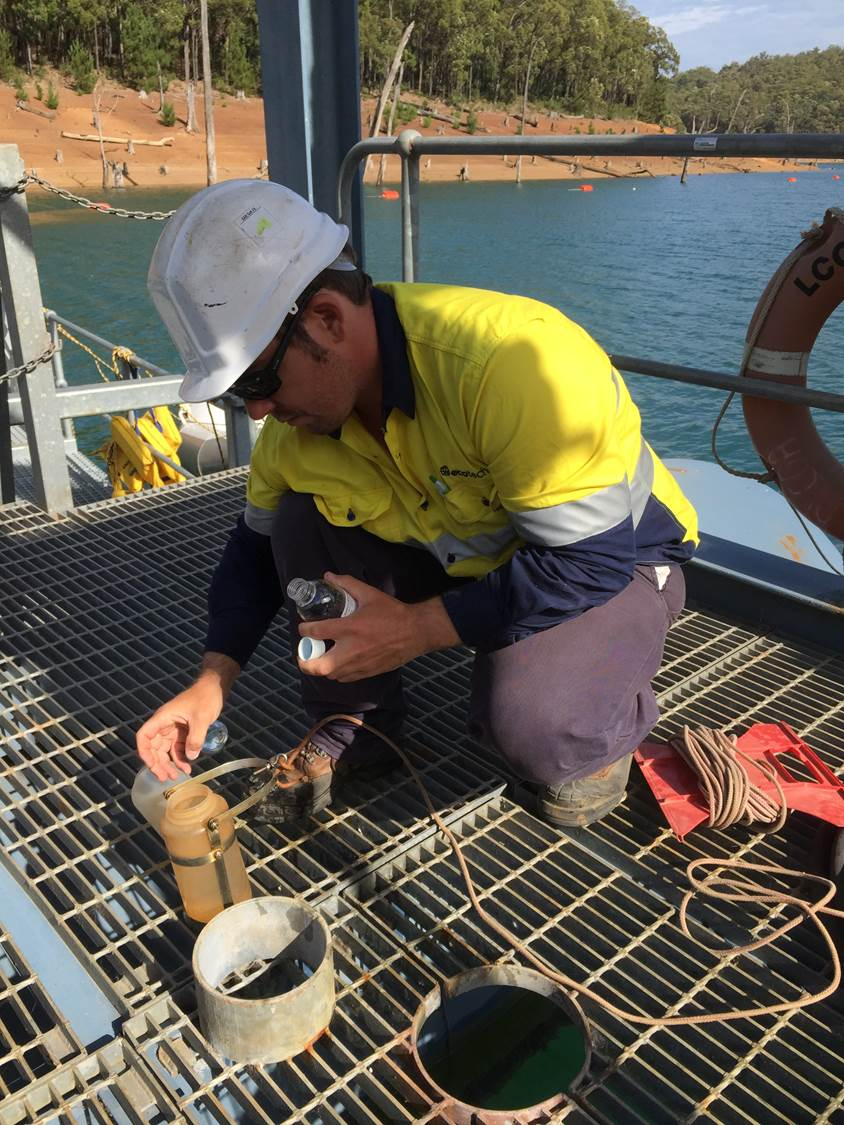
Real-Time Monitoring Stations
For sites where continuous visibility is essential, Acoem designs and deploys autonomous water monitoring stations. Each station integrates multi-parameter sensors, automatic samplers and telemetry systems, transmitting environmental data in real time.
Solar-powered configurations allow permanent deployment in the most remote locations. Alert thresholds can be set for any parameter, so your team is notified when conditions change, before they become a problem.
Coastal and Marine Monitoring
Operations near coastal environments carry additional regulatory weight. Acoem supports marine sampling programs, shoreline bore monitoring and synchronised coastal-groundwater sampling, helping organisations understand contamination pathways and protect marine ecosystems.
Potable Water Monitoring
Drinking water quality on remote industrial sites and nearby communities isn’t a secondary concern. Acoem monitors potable water systems against the NHMRC guidelines and relevant health standards, supporting facilities where getting it right is non-negotiable.
Our Water Monitoring Equipment
Acoem designs and manufactures much of the technology behind our monitoring programs. That means we’re not relying on third-party instruments we don’t control — and when something needs attention in the field, we have the expertise to deal with it.
Our water product portfolio covers:
- Automatic samplers (MAXX range)
Portable, fixed-site and remote-trigger configurations, including the Desert First Flush Sampler for unattended operation at remote sites.
- Probes, sondes & transmitters (Greenspan range)
Single and multi-parameter sensors measuring up to six parameters simultaneously, built for long-term bore and surface water deployment.
- Water monitoring stations
Mobile WQMS, buoy-mounted, combined sampler/WQ stations, flood level stations, and the GRAMS solar-powered bore monitoring unit.
- Field Services (Sampling & maintenance)
Field sampling and ongoing maintenance programs delivered by specialist technicians to keep hydrogeological monitoring systems performing in demanding environments.
Combined with our NATA-accredited laboratory services, we can monitor more than 30 water quality parameters, from dissolved oxygen and turbidity through to PFAS and emerging contaminants.
Download our water monitoring product portfolio brochure
NATA-Accredited – Reliable and Audit-Ready
When it comes to regulatory compliance, the quality of your sampling process matters as much as the results it produces. Acoem operates a NATA-accredited water quality laboratory and conducts field sampling using accredited procedures.
Every sample is governed by strict chain-of-custody procedures, from collection in the field through to analysis and certified reporting. That traceability is what makes your data defensible when an auditor comes calling.
Our sampling services include:
- Groundwater sampling from bore networks and aquifers
- Surface water sampling from rivers, reservoirs and discharge points
- Passive sampling systems for long-term programs
- Downhole logging and aquifer profiling
- Potable water and wastewater sampling

From Raw Data to Real Decisions
Collecting environmental data is only useful if you can find it, trust it and report on it. Acoem’s Environmental Water Monitoring System (EWMS) manages exactly that.
EWMS tracks monitoring locations via GPS, automates sampling schedules, stores complete sample histories and maintains traceability from field collection to final report. For environmental managers overseeing large programs with hundreds of monitoring points, that kind of system infrastructure isn’t a nice-to-have — it’s essential.
It means faster reporting, fewer gaps and clear evidence of compliance when you need it.
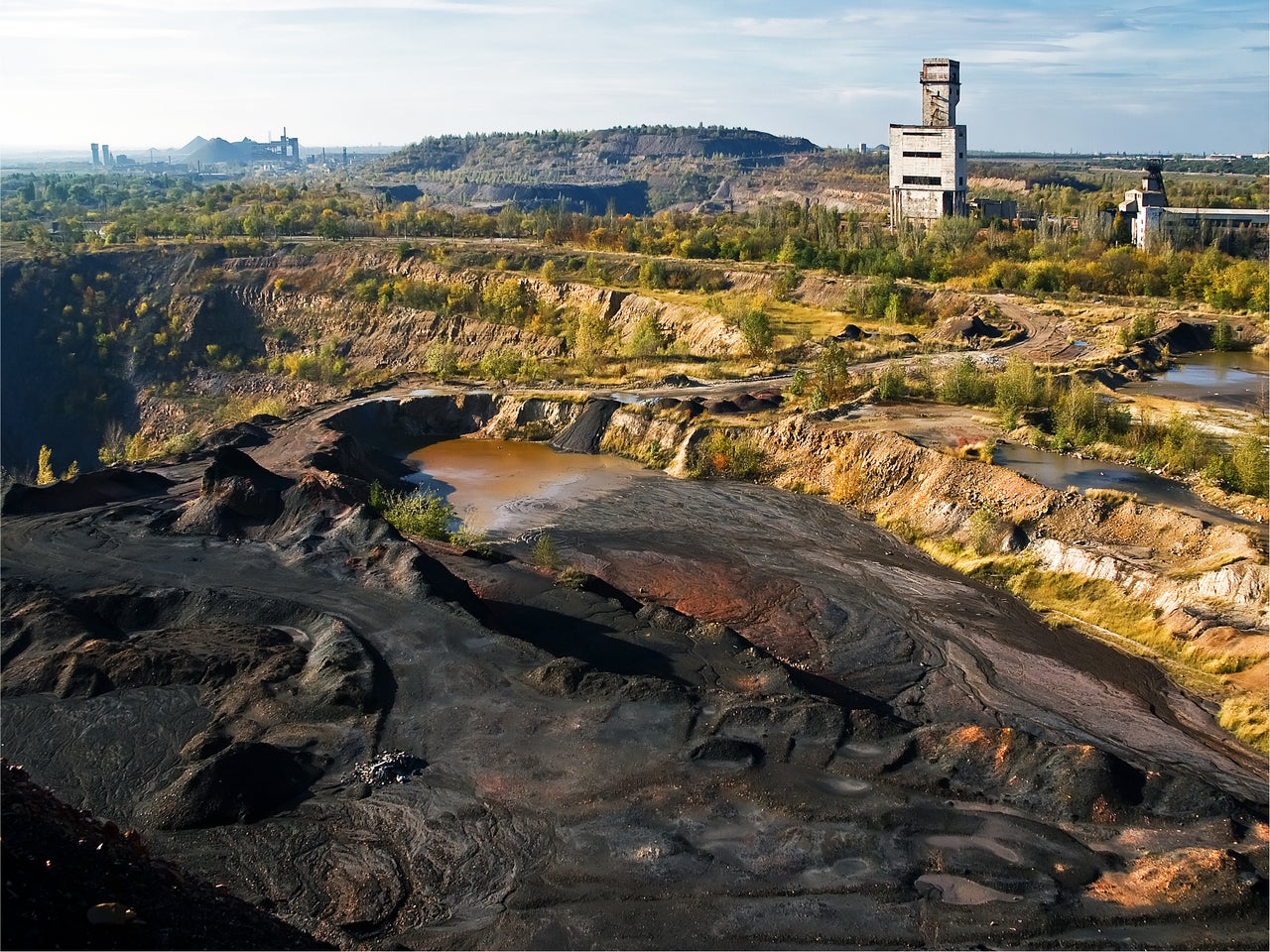
Monitoring 1,500+ Bores Across 130 km² – A Western Australian Mining Operation
Large-scale groundwater monitoring in Western Australia presents a particular kind of challenge: vast operational areas, remote access, strict regulatory requirements and the constant need for data quality and traceability.
Acoem supports one of WA’s major mining operations with a program that covers more than 1,500 monitoring bores across approximately 130 square kilometres. Specialist field teams conduct regular sampling using high-flow and low-flow techniques, supported by downhole logging equipment and managed through EWMS for complete data traceability.
The program gives the operator clear insight into groundwater behaviour across its operational footprint, and the confidence to demonstrate compliance at every regulatory checkpoint.

Built Around Australia’s Regulatory Requirements
Water monitoring in Australia operates within a network of overlapping regulatory frameworks. Acoem works within all of them.
- Department of Water and Environmental Regulation (DWER)
- ANZECC Water Quality Guidelines
- NHMRC Drinking Water Guidelines
- NATA accreditation requirements for sampling and analysis
- State environmental licensing and approval conditions
Our programs are designed to meet licence conditions, withstand environmental audits and produce reporting that satisfies regulatory expectations – not just technically, but practically.
Common Questions About Water Monitoring
What is water monitoring?
Water monitoring is the process of measuring and analysing water from natural or industrial systems to assess its quality, detect contamination and ensure regulatory compliance. Programs can involve manual sampling, automated real-time sensors or a combination of both.
Why is water monitoring important for mining in Australasia?
Mining operations can affect groundwater and surface water systems through contamination, drawdown or changes in water quality. Water monitoring helps mining companies detect these impacts early, manage environmental risk and demonstrate to regulators that licence conditions are being met.
What is groundwater monitoring?
Groundwater monitoring involves sampling and measuring water from monitoring bores installed in the ground to track aquifer conditions over time. It helps identify contamination, understand how industrial activity affects underground water systems and support long-term environmental compliance.
What parameters are commonly measured in water monitoring?
Common parameters include pH, conductivity, turbidity, dissolved oxygen, water level, nutrients, metals and trace contaminants. Emerging contaminants such as PFAS are also increasingly monitored under regulatory requirements.
What is NATA accreditation in water monitoring?
NATA (National Association of Testing Authorities) accreditation means that a laboratory or sampling service has been independently assessed against international standards. For water monitoring, NATA accreditation confirms that sampling procedures and laboratory analysis meet the quality requirements needed for regulatory reporting. Acoem offers NATA-accredited water quality monitoring services for the Australasian market.
What is real-time water monitoring?
Real-time water monitoring uses automated sensors and telemetry systems to continuously measure water quality and transmit data remotely. This allows environmental managers to detect changes as they happen and respond before potential exceedances become compliance issues.
How often should water monitoring be carried out?
Monitoring frequency is typically defined by environmental licences or management plans. Regulatory sampling programs may run weekly, monthly, quarterly or annually, while real-time monitoring stations collect continuous data. High-risk sites often run both in parallel. A discussion with an Acoem water monitoring expert can help you work out the best frequency for your site.

Talk to Our Water Monitoring Team
Whether you’re building a new monitoring program, adding real-time capability to an existing one, or just figuring out what your licence conditions actually require, our team can help.
Acoem works across Australia’s mining, industrial and government sectors. We understand the regulatory landscape, we know what regulators look for, and we’ve built programs that stand up.
Get in touch to discuss your site.
(03) 9730 7800 | info.au@acoem.com
